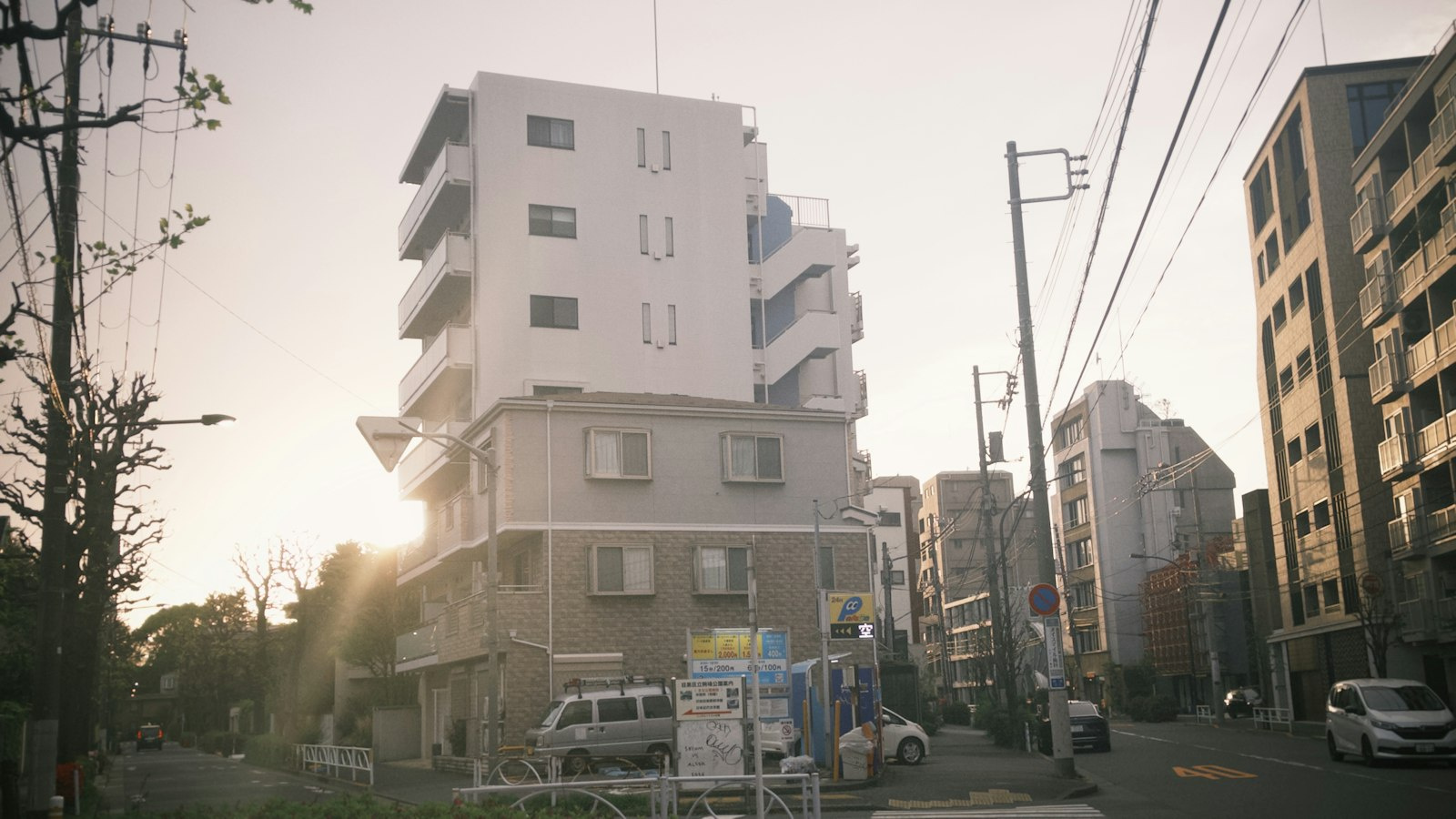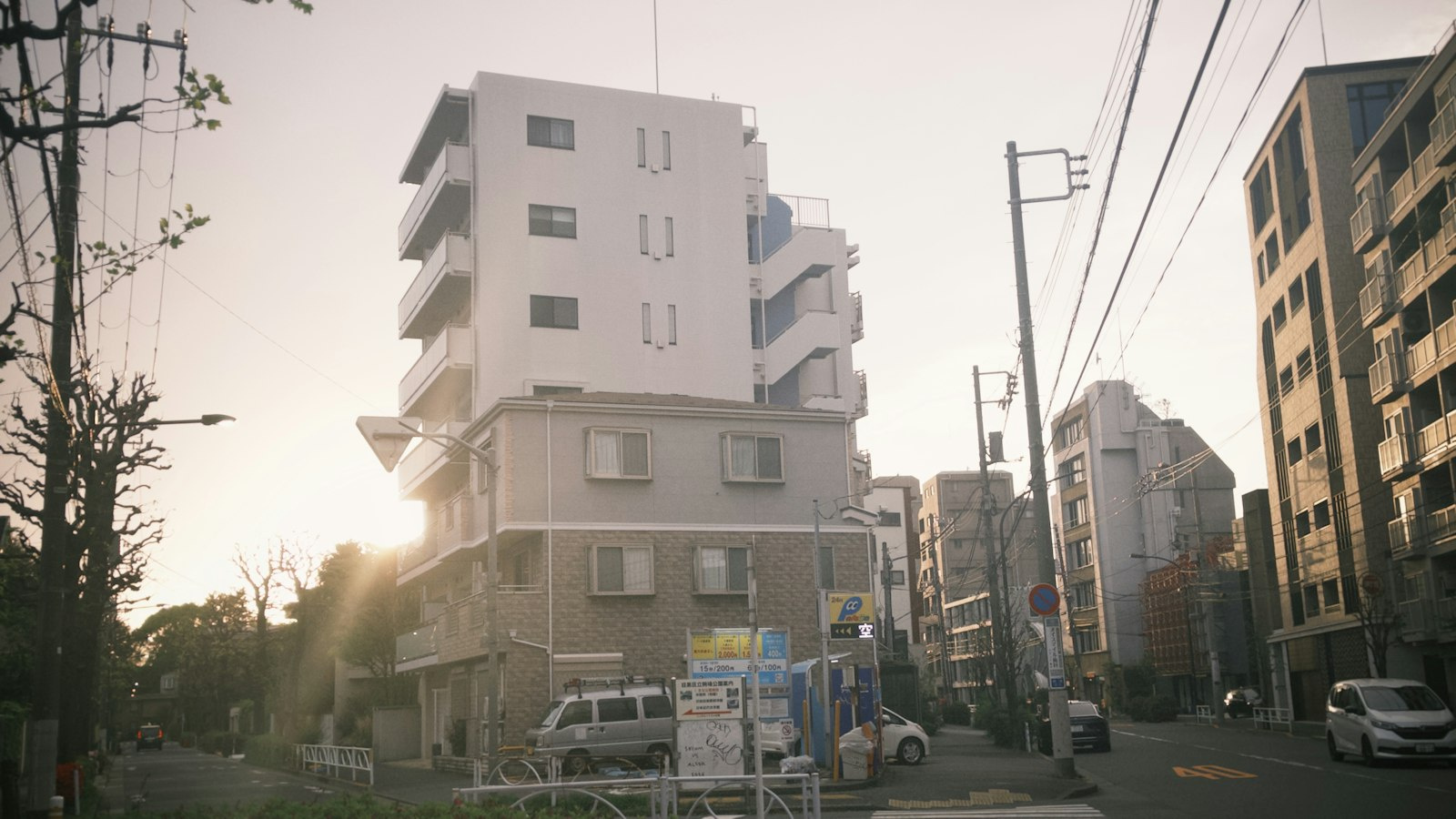
Renting in Tokyo as a Foreigner: Guarantor & Screening Guide (2026)
Many foreigners arrive in Tokyo having heard that renting an apartment is difficult without a Japanese guarantor. The good news: most Tokyo landlords now work with rent guarantee companies, and if you understand the process and prepare the right documents, renting as a foreign resident is very achievable. This guide explains how tenant screening works, what a guarantor company does, what you will pay upfront, and how to improve your chances of approval.
How Renting in Tokyo Works: The 5 Steps
- Search and viewings: Decide your budget, preferred area and maximum commute before you start browsing.
- Application: Submit an application form with your ID and supporting documents.
- Screening: The landlord or management company and the guarantor company each review your application.
- Explanation of important matters and contract: A licensed real estate transaction specialist (宅地建物取引士) explains the key terms, then you sign.
- Payment and key handover: Once the move-in costs are paid, you receive your keys on the start date.
From application to move-in, expect roughly one to three weeks, depending on the property and how quickly screening is completed.
What Is a Rent Guarantee Company?
A rent guarantee company (家賃債務保証会社) pays the landlord if a tenant falls behind on rent, then collects the amount from the tenant. In the past, Japanese landlords usually required a personal guarantor, typically a relative in Japan, which was a major barrier for newcomers. Today, many properties simply require you to enroll with a guarantee company instead.
Since October 2017, Japan's Ministry of Land, Infrastructure, Transport and Tourism (MLIT) has run a registration system for rent guarantee companies. MLIT publishes a list of registered companies, including a list of companies that offer support in foreign languages. If you are given a choice of guarantor, this list is a useful reference.
What Landlords and Guarantors Look At
- Income vs. rent: A common rule of thumb is that rent should be no more than about one-third of your monthly income.
- Visa status and period of stay: Your residence card expiry date may be compared with the lease term.
- Employment: You may be asked for an employment contract or a certificate of employment.
- Emergency contact in Japan: Many guarantors ask for a contact person based in Japan.
- Communication: Some management companies prefer tenants they can reach in Japanese, so bilingual support from your agent helps.
Document Checklist
- Residence card (front and back copy) and passport
- Proof of income: employment contract, payslips, tax withholding slip (源泉徴収票) or offer letter
- Certificate of employment or your employer's details
- Students: certificate of enrollment and proof of scholarship or financial support
- A Japanese phone number and email address
Having these ready when you apply speeds up screening. If your documents are only in English, tell your agent in advance.
Move-In Costs: What to Budget
Renting in Tokyo involves significant upfront costs. The main items are:
- Security deposit (敷金): Held by the landlord and used toward restoration costs when you move out.
- Key money (礼金): A non-refundable payment to the landlord. Some properties charge zero deposit and zero key money.
- Agency fee (仲介手数料): Under Japan's Real Estate Brokerage Act, the total an agent may receive from landlord and tenant combined is capped at one month's rent plus consumption tax.
- Guarantor company fee: Usually set as a percentage of the rent; the rate depends on the company and plan.
- Fire insurance, lock change and first month's rent
In total, it is common for move-in costs to reach around four to six months' rent. Always ask for a written estimate before you sign.
How to Improve Your Chances of Approval
- Keep rent within budget: Choosing a property that fits your income is the single biggest factor.
- Prepare documents early: Submitting everything with your application shows you are organized.
- Work with an agent experienced with foreign tenants: They know which properties and guarantors accept foreign applicants.
- Be accurate: Inconsistencies between your application and documents can delay or derail screening.
What to Check Before You Sign
- Lease type: A standard lease (普通借家) or a fixed-term lease (定期借家)?
- Renewal fee: The cost and conditions when the lease renews.
- Move-out rules: Notice period and what restoration you are responsible for.
- Restrictions: Pets, musical instruments, room sharing and short-term letting.
How Access Japan Real Estate Can Help
Access Japan Real Estate is a licensed real estate broker based in Minato-ku, Tokyo. We support foreign clients in English and Japanese through every step: finding suitable properties, preparing documents, handling the guarantor application and explaining the contract clearly before you sign.
Final Thoughts
Renting in Tokyo as a foreigner is far more accessible than its reputation suggests. Understand the guarantor system, prepare your documents, and work with an agent who knows the process. If you would like to know what you can rent with your situation, feel free to contact us.
This article provides general information. Specific terms vary by property and management company.
Cover photo: Monineath Horn / Unsplash